

- · Topic Editor
- · Research Topic Information
- · Keywords
- · Benefits of Publishing in a Research Topic
- · Published Papers
A Research Topic of Public Health and Environment (ISSN 3136-0041) .
Deadline for manuscript submissions: 1 December 2025

微信扫一扫:分享
微信里点“发现”,扫一下
二维码便可将本文分享至朋友圈。


-
Professor Lei Song
School of Civil Engineering, Inner Mongolia University of Technology, Huhhot, China
Interest: Water environment ecological restoration, sewage treatment and resource utilization
-
Professor Lanhua Liu
School of Ecology and Environment, Zhengzhou University, Zhengzhou, China
Interest: Optical biosensor, Biochemical analysis, Environmental monitoring
The risk assessment, management and remediation of Emerging Contaminants (ECs) constitute a pivotal subject in the global environmental domain. These contaminants are distinguished by their environmental persistence, bioaccumulative potential, and significant health hazards, emanating from complex sources across medical, agricultural, industrial and other sectors. Key categories include pharmaceuticals and personal care products (PPCPs), per- and polyfluoroalkyl substances (PFAS), endocrine-disrupting chemicals (EDCs), microplastics, etc. ECs have posed substantial impacts on environmental media (soil, water, atmosphere) and human health. As a critical challenge to global health and sustainable development, addressing ECs necessitates collaborative global actions. Through interdisciplinary integration, technological innovation, and policy optimization, enhanced monitoring, risk characterization, regulatory control and remedial measures should be implemented to safeguard the planetary environment and public health.
· In-situ identification and detection
· Removal technologies
· Risk assessment and management
· Occurrence and control
· Synergistic governance and risk control
- Publishing your article within a Research Topic with other related articles increases its discoverability and visibility, which can lead to more views, downloads, and citations.
- Giving you the chance to expand your connections with researchers, foster scientific collaborations.
- Articles in Research Topics are often promoted through the social media platforms from our digital marketing team.
-
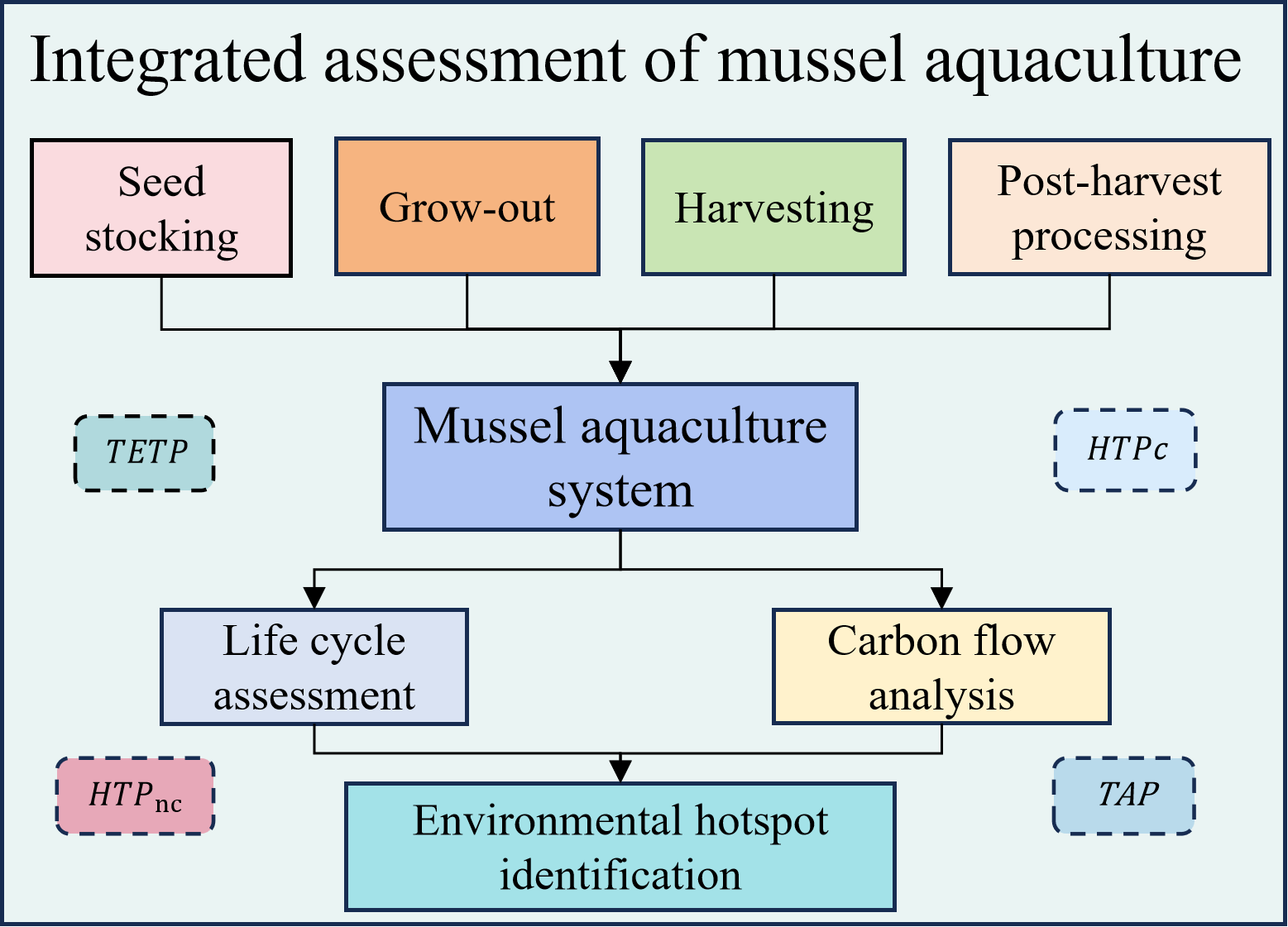 Open Access ArticleLife Cycle Assessment of Carbon Cycling and Environmental Impacts in Mussel FarmingGuo Su, Shaoli Fan, Rui Lu, Kaiwei Xu, Zhou Shen, Hao Wen (Author)DOl: https://doi.org/10.70737/br8pek49 - 29 June 2026
Under China’s dual carbon targets and the green transition of aquaculture, understanding carbon flows and life cycle environmental impacts is important for evaluating the ecological performance of mussel farming. This study assessed typical mussel aquaculture areas in Zhejiang Province using life cycle assessment combined with carbon flow analysis, covering seed stocking, grow out and harvesting stages. The carbon flow analysis used 1.45 kg C as the normalized total carbon use basis. Of this amount, 0.21025 kg C was allocated to carbon removal, 0.97585 kg C to storage related pathways, 0.09860 kg C to respiration related release, and 0.16530 kg C to calcification related release. Carbon removal and storage related pathways together accounted for 81.8% of the normalized carbon use basis, indicating that the model allocated a larger proportion of carbon to potential removal and local retention pathways than to release pathways. This allocation pattern is consistent with a potential weak and seasonally constrained carbon sink function under favorable environmental conditions, although it does not independently demonstrate net atmospheric CO₂ removal. The main environmental impact categories were terrestrial ecotoxicity potential (TETP), which contributed 35.03%, human non-carcinogenic toxicity potential (HTPnc), which contributed 22.79%, human carcinogenic toxicity potential (HTPc), which contributed 18.30%, terrestrial acidification potential (TAP), which contributed 8.51%, fossil resource scarcity potential (FFP), which contributed 5.65%, and freshwater ecotoxicity potential (FETP), which contributed 4.89%. For monetized environmental impacts, HTPnc made the largest contribution, followed by FFP, TAP, global warming potential (GWP) and fine particulate matter formation potential (PMFP). Overall, mussel aquaculture may contribute to local carbon cycle regulation and may provide a weak, seasonal and context dependent carbon sink function; however, the present results do not independently demonstrate that the farming system functions as a net atmospheric CO₂ sink.
...More 3
3 59
59
微信扫一扫:分享
微信里点“发现”,扫一下
二维码便可将本文分享至朋友圈。
-
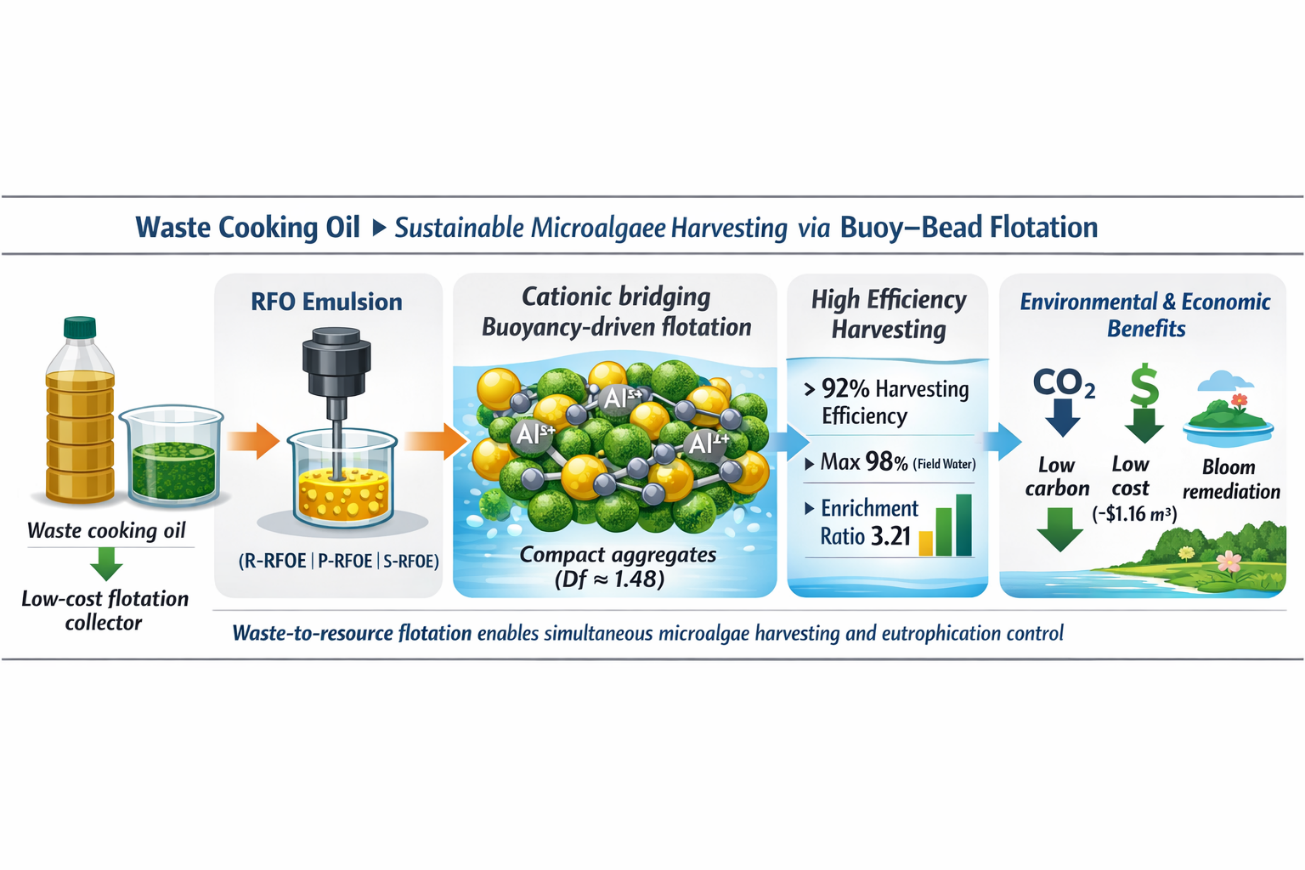 Open Access ArticleValorization of Heterogeneous Waste Cooking Oils for Efficient Microalgae HarvestingXiangjun Li, Hao Wen, Jiahan You, Hongwei Yin (Author)DOl: https://doi.org/10.70737/pdm1yt90 - 13 February 2026
To achieve the high-value valorization of waste cooking oil (WCO) and address the economic bottleneck of microalgae harvesting, this study proposes a sustainable buoy-bead flotation strategy. Emulsions derived from three typical WCO sources (Rapeseed, Peanut, and Soybean) were evaluated to optimize this “waste-to-resource” process. Results demonstrated that Peanut Re-Frying Oil Emulsion (P-RFOE) and Soybean Re-Frying Oil Emulsion (S-RFOE) exhibited superior harvesting performance, achieving efficiencies exceeding 92% under optimized conditions. Mechanistic analysis revealed that these substrates formed highly compact aggregates (Df = 1.48) via aluminum sulfate-mediated cationic bridging, marginally enhancing resistance to hydrodynamic shear. The method’s ecological adaptability was validated through the in-situ remediation of natural blooms in three eutrophic lakes, achieving a peak harvesting efficiency of 98.03% (Chaohu Lake) and a high enrichment ratio of 3.21 (Luoma Lake). Furthermore, a gate-to-gate Life Cycle Assessment (LCA) confirmed the system’s sustainability, featuring a competitive operational cost (1.16/m³), a minimal carbon footprint (0.066 kg CO₂-eq/m³), and no secondary pollution. This study establishes a cost-effective, eco-friendly solution that simultaneously targets eutrophication control and bioenergy feedstock recovery, exemplifying a circular economy approach.
...More271
微信扫一扫:分享
微信里点“发现”,扫一下
二维码便可将本文分享至朋友圈。
-
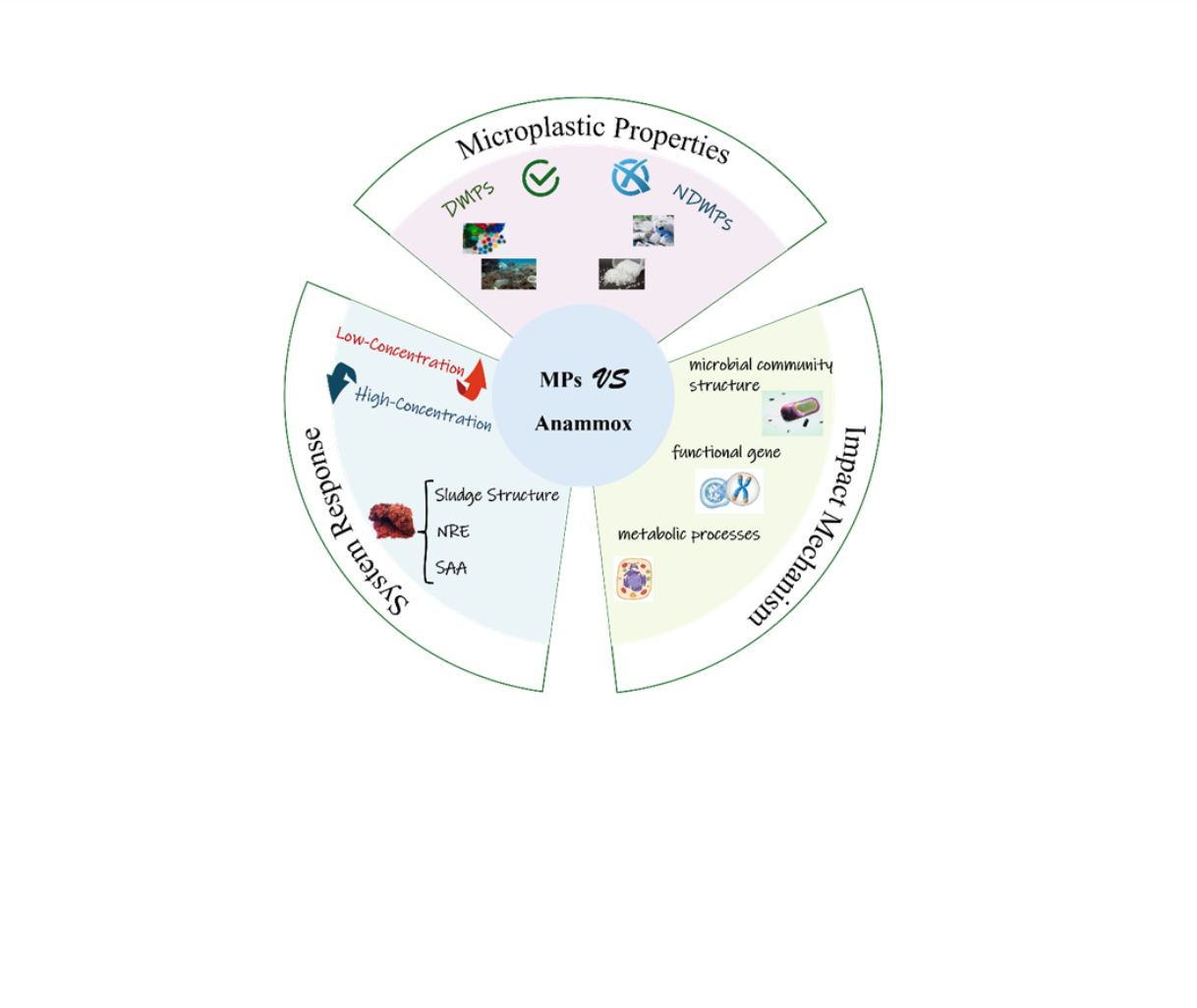 Open Access ReviewImpacts of Microplastics on Anammox Systems: A Comprehensive Review of Mechanisms and InfluencesBaohong Han, Fangxing Zha, Jianying Gong, Huixian Jiang (Author)DOl: https://doi.org/10.70737/snyr4m68 - 12 February 2026
Anaerobic ammonia oxidation (Anammox) technology has emerged as a highly promising biological nitrogen removal approach, exhibiting remarkable technical and economic advantages in treating wastewater with high ammonia nitrogen content and a low carbon-to-nitrogen ratio. However, with the escalating global plastic pollution, microplastics (MPs) have become ubiquitous in wastewater treatment systems. This review systematically collates the research status regarding the sources and classification of microplastics in wastewater treatment plants, and the impacts of MPs on anammox systems. Based on their degradation characteristics, MPs are categorized into two major types: degradable microplastics and non-degradable microplastics. The critical factors influencing anammox processes in the presence of microplastics are comprehensively summarized and analyzed. The impacts exerted by MPs on anammox systems are closely correlated with key factors such as polymer type, particle size distribution, concentration-dependent effects, and exposure duration-dependent responses. Low concentrations of microplastics can act as biofilm carriers or provide carbon sources, thereby facilitating microbial adhesion and growth, and enhancing the nitrogen removal efficiency of the system. In contrast, high concentrations of microplastics usually inhibit anammox activity through pathways including physical clogging, toxic effects, and oxidative stress, which in turn leads to the decline of nitrogen removal performance, damage to sludge structure and alterations of microbial community structure in the system. The underlying mechanisms involve three aspects: shifts in microbial community structure, regulation of functional gene expression, and disturbance of metabolic processes. Finally, this review proposes potential future research directions. This study aims to provide comprehensive theoretical support for the stable operation of anammox systems and environmental risk management against the backdrop of microplastic pollution.
...More673
微信扫一扫:分享
微信里点“发现”,扫一下
二维码便可将本文分享至朋友圈。
-
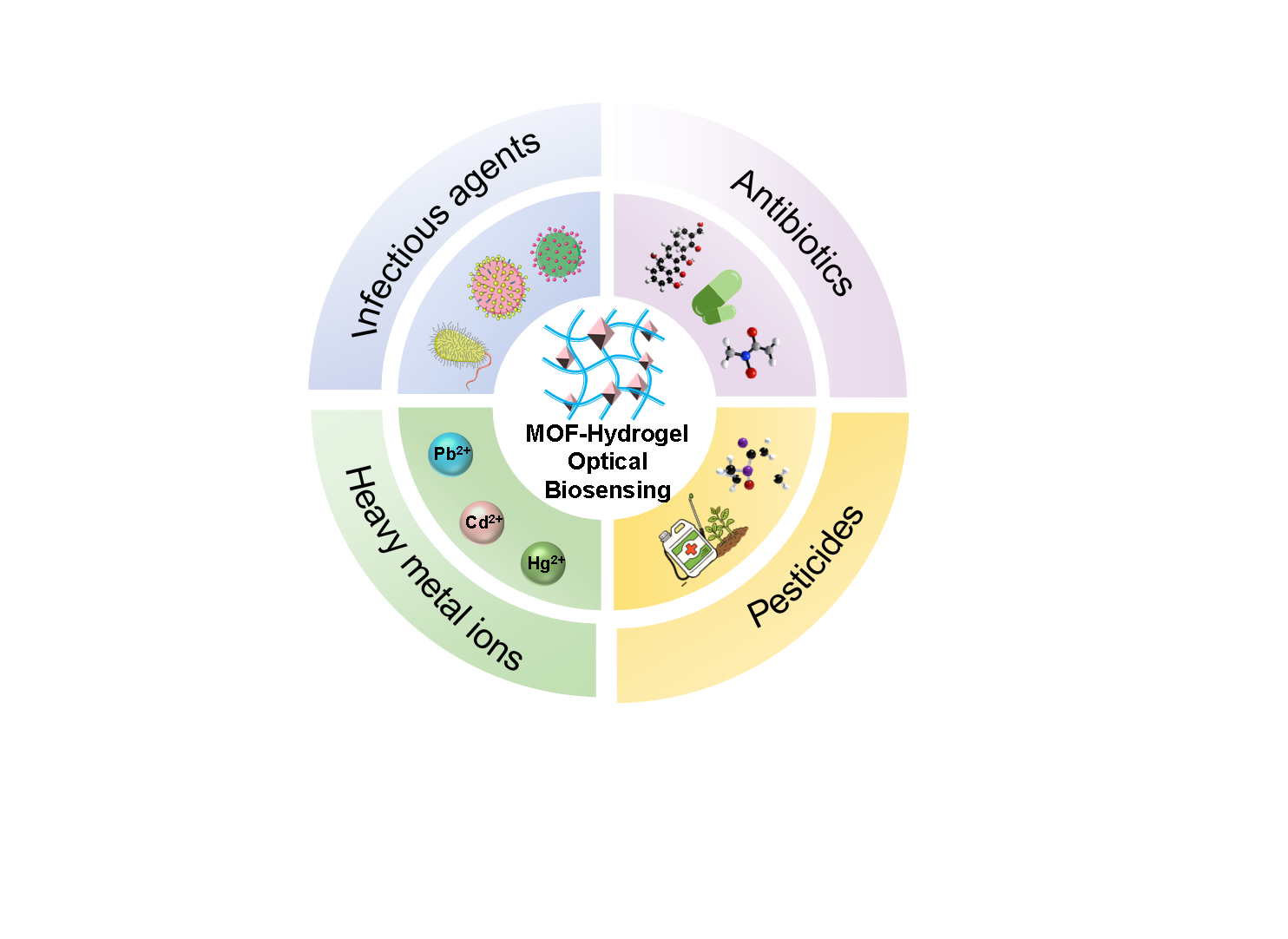 Open Access ReviewMetal-Organic Framework–Hydrogel Composites for Next-Generation Biosensing: Advances in Optical Detection of Environmental PollutantsHuanxing Li, Yilin Liu, Ruiqiu Li, Xiaohong Zhou, Jinchuan Liu (Author)DOl: https://doi.org/10.70737/k2xq0w66 - 9 February 2026
Metal-organic framework–hydrogel (MOF–hydrogel) composites, leveraging their distinctive structural and functional advantages, offer an ideal platform for developing a new generation of optical biosensing technologies for environmental pollutants detection. While conventional analytical methods provide high accuracy, the reliance on bulky instruments and complex operational procedures limits their applicability. This review focuses on design strategies of such composite materials and recent advances in their application to optical biosensing of environmental contaminants. Through approaches such as in situ growth and direct mixing, the structural tunability and catalytic/luminescent properties of MOFs are effectively integrated with the three-dimensional hydrophilic networks and stimuli-responsive characteristics of hydrogels, resulting in synergistic functionality. The review systematically outlines the multifunctional roles of MOFs in sensing, including as luminophores, catalysts, signal modulators, and carriers. Representative applications in detecting pathogenic microorganisms, antibiotics, heavy metal ions, and pesticide residues are categorized and discussed, demonstrating the notable advantages of these biosensing assays in terms of sensitivity, selectivity, and field applicability. Finally, future challenges and research directions are outlined, including improving the environmental stability of materials, developing methods for simultaneous multi-target detection, advancing the portability and intelligence of sensing systems, and expanding the range of applications in environments. MOF–hydrogel composites hold strong promise as a robust material platform for the development of high-performance, field-deployable water quality sensing technologies.
...More254
微信扫一扫:分享
微信里点“发现”,扫一下
二维码便可将本文分享至朋友圈。
-
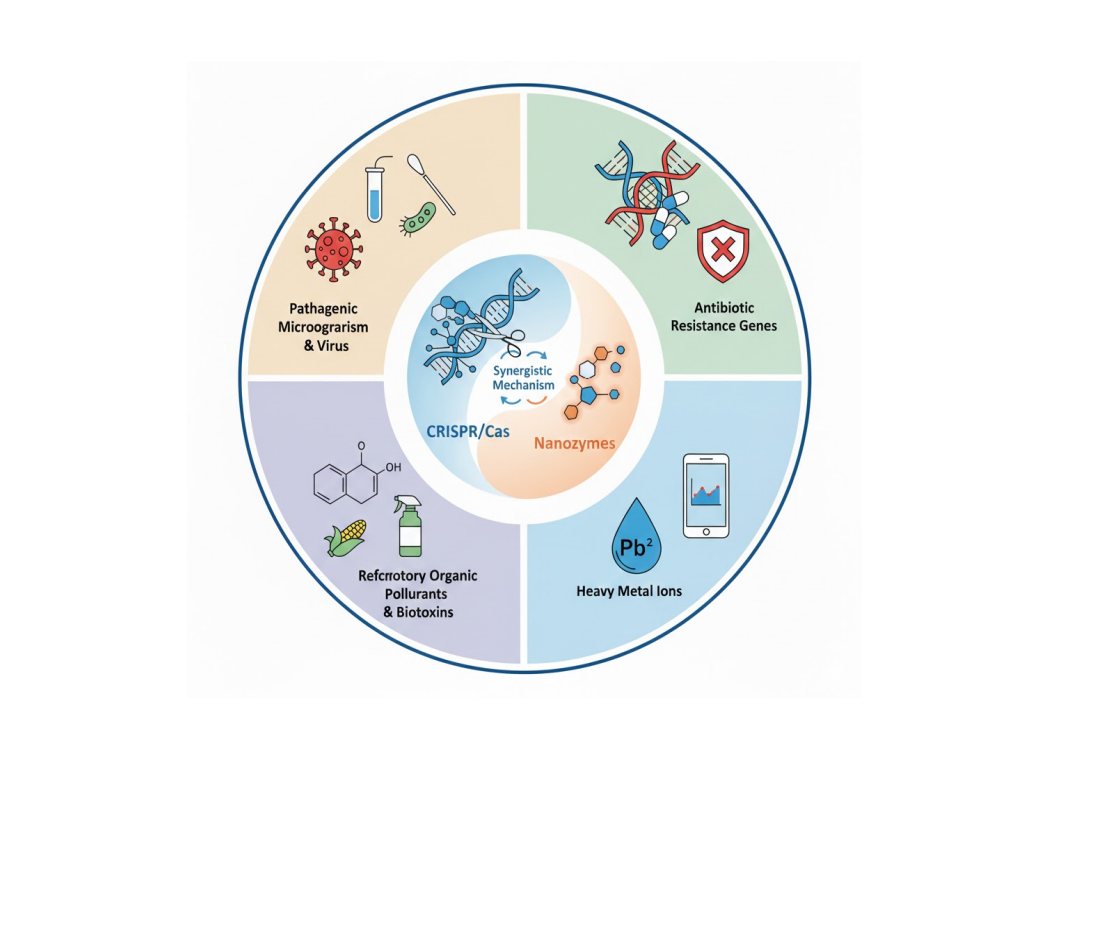 Open Access ReviewNanozyme-Assisted CRISPR/Cas Biosensing for Environmental Pollutant MonitoringJingli Wu, Bohan Wang, Shuchi Li, Jiahui Su, Yuting Mei, Jiantao Ji, Bo Shen, Lanhua Liu (Author)DOl: https://doi.org/10.70737/jrxwwd91 - 30 January 2026
Environmental pollution increasingly threatens human health in concealed forms, such as the spread of pathogenic microorganisms and antibiotic resistance genes (ARGs), as well as the widespread presence of low-concentration small-molecule pollutants in water environments. These evolving challenges demand detection technologies with higher selectivity and sensitivity, making the development of advanced sensing platforms a critical research priority. The CRISPR/Cas system can be rationally engineered to recognize specific nucleic acid sequences, offering significant potential for detecting pathogens and ARGs. Its utility has been further extended to small-molecule sensing through the incorporation of aptamers. Nanozymes, which mimic the catalytic functions of natural enzymes while exhibiting unique physicochemical properties, can substantially enhance the performance of CRISPR/Cas-based biosensors. This review systematically examines the fundamental mechanisms and construction strategies of nanozyme-assisted CRISPR/Cas sensing platforms, details their applications in environmental pollutant monitoring, discusses current challenges and potential solutions for real-world implementation, and outlines future prospects. The aim is to provide valuable insights for further research and practical deployment of this innovative technology.
...More8156
微信扫一扫:分享
微信里点“发现”,扫一下
二维码便可将本文分享至朋友圈。